June 1, 2026 • Adaeze Okonkwo • 8 min reading time • Prices verified June 18, 2026
Plus-Size Swimsuits Under $30: What You Actually Get for the Price (Fabric Grade Honest Talk)
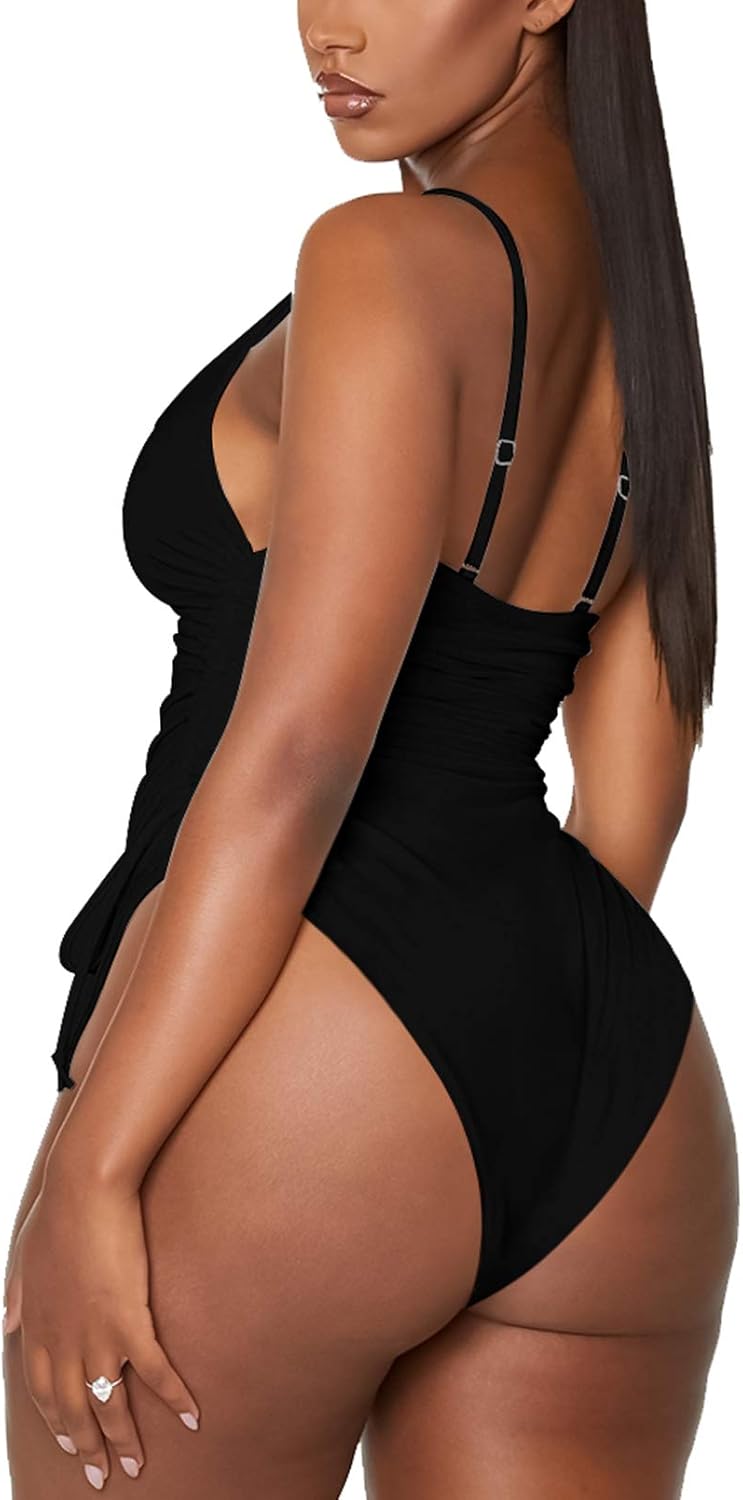
You’ve seen the $22 one-piece on ASOS or Amazon and thought: can this possibly work for me? That question is exactly worth asking — because at the sub-$30 price point, the answer is genuinely sometimes yes and sometimes a fast, frustrating no, and the difference comes down to a few very specific construction choices that have nothing to do with how cute the print looks on screen. Swimwear construction is basically a short-form engineering problem: the fabric needs to hold its shape when wet, the seams need to resist stretch-induced stress at the hip and bust, and the straps need to actually bear weight without cutting or collapsing. This guide walks through what that engineering looks like (and doesn’t look like) at the under-$30 tier so you can make a confident call before you click “add to cart” — without opening 30 browser tabs.
If you already know the difference between a nylon-spandex blend and a PBT (polybutylene terephthalate — a polyester variant that holds its shape better than standard polyester in chlorinated water) blend, this article is going to move fast and give you the decision framework you’re looking for. If those terms are new, don’t worry — we’ll define them as we go.
| EDITOR'S PICKViottiset Women's Ruched High C… | Mid-tier[Daci Plus Size One Piece Swimsu…](https://www.amazon.com/dp/B0CZ6CS6KR?tag=greenflower20-20) | Budget pick[Edelqual Womens Plus Size Tanki…](https://www.amazon.com/dp/B0DD495DKY?tag=greenflower20-20) | |
|---|---|---|---|
| Style | One piece | One piece | Tankini |
| Size range | — | 18 Plus | XX-Large Plus |
| Tummy control | ✓ | — | ✓ |
| Bottom type | High cut | Boyleg | Shorts |
| Price | $29.49 | $27.99 | $19.99 |
| See on Amazon → | See on Amazon → | See on Amazon → |
The Fabric Reality at Under $30: What the Spec Sheets Actually Show
Let’s be direct: the dominant fabric story at this price point is generic nylon-elastane or standard polyester-elastane, usually at lower denier counts (denier is the thickness of individual fabric fibers — lower numbers mean thinner, less durable thread). Consumer Reports’ swimwear durability overview notes that fabrics below 180 denier tend to show pilling and stretch-out more quickly under repeated saltwater or chlorine exposure. Most sub-$30 suits don’t publish their denier counts, but published spec sheets and aggregated reviewer feedback follow a predictable pattern.
Here’s what the tiered fabric picture looks like in practice:
By the Numbers: Fabric Grade vs. Price Band (2025–2026 Market)
| Price Tier | Typical Fabric | Chlorine Resistance | Stretch Recovery After Season |
|---|---|---|---|
| Under $30 | Generic polyester-elastane or nylon-elastane | Low–moderate | Often reduced by mid-season |
| $50–$90 | Higher-denier nylon, some Xtra Life Lycra blends | Moderate–good | Reliable through one season |
| $120–$220+ | Carvico, PBT, or Xtra Life Lycra with reinforced knit | Good–excellent | Multi-season with care |
Sources: aggregated published specs and Consumer Reports swimwear durability guidance, 2024.
That doesn’t mean every budget suit is a throwaway. What it means is that the use case matters enormously. A $24 Amazon swimsuit worn twice on a beach vacation — low chlorine exposure, rinsed well, line-dried — will behave very differently from the same suit worn four days a week in a public pool. Who What Wear’s 2025 budget swimwear guide makes exactly this point: occasional-wear shoppers report solid satisfaction with budget picks; regular lap swimmers and frequent pool-goers are almost universally disappointed by the same price tier within two months.
The tradeoff to name explicitly: you are essentially renting durability, not buying it. That’s not a moral judgment — it’s a decision frame.
Construction Shortcuts That Matter Most for Full-Figure Fit
At any price point, plus-size swimwear requires specific construction features to actually work for a full-figure body. A suit that skips these features in order to hit a $28 retail price is not a bargain — it’s a misfit waiting to happen. Here’s where budget suits predictably cut corners, and what those cuts cost you in real-wear terms.
Underwire: Present but Poorly Anchored
Some sub-$30 underwire suits exist. Glamour’s plus-size swimsuit guide notes that the underwire channel — the fabric casing that holds the wire — is the structural weak point in budget construction. At higher price points, the channel is bartacked (reinforced with tight zigzag stitching) at both ends where the wire meets the strap attachment. At the budget tier, those bartacks are often absent or minimal, which means the wire migrates, pokes, or blows out of the channel after a few wears, especially in saltwater. Saltwater is particularly harsh: it degrades elastane faster than chlorine does and stresses seam integrity with each wave cycle.
Decision rule: If underwire support is non-negotiable for your bust size, the under-$30 tier is high-risk. The occasional exception exists, but reviewers across aggregated feedback consistently flag wire migration as the primary failure mode in budget suits with underwire.
Strap Architecture: Width, Elasticity, and Weight Distribution
For a larger bust — DD and above — strap width and the attachment point geometry are load-bearing engineering decisions. A narrow (under ¾ inch) elastic strap on a suit with a built-in shelf bra is not carrying weight; it’s decorating. Refinery29’s 2025 affordable swimsuit roundup highlights this directly: plus-size reviewers consistently report that narrow straps on budget halter styles produce shoulder-groove discomfort within an hour of wear, because the strap material is elastic-only rather than a structured knit with elastic core.
What to look for in published specs, even at the budget tier: straps described as “adjustable” with a sliding or hook mechanism (not just knot-tie) give you at least some fit customization. Fixed straps on a halter at this price point are nearly always a comfort compromise for a C cup or above.
Seam Placement and Panel Count
Full-figure fit — particularly accommodating a bust-to-hip differential of 14 inches or more — requires strategic seam placement. Curved side seams, princess seaming through the bust, and shaped hip panels all exist to direct fabric around a body rather than stretching across it. Budget suits almost universally use fewer panels (2–4 rather than 6–8) because panel count drives labor cost. Fewer panels means the fit relies more heavily on the fabric’s stretch, which circles back to the durability problem: lower-grade elastane stretched more aggressively wears out faster.
Good Housekeeping’s 2025 plus-size swimsuit roundup specifically notes that among sub-$40 suits they reviewed, the ones that drew consistent complaints from full-figure shoppers had flat-cut front panels with no vertical seaming — meaning no built-in guidance for bust projection or hip curve. The suits that overperformed for the price tended to have at least one vertical seam through the front panel.
Where Budget Suits Actually Deliver: Honest Credit Where It’s Due
This isn’t a case against budget swimwear — it’s a case for knowing exactly what you’re buying. Here’s where the under-$30 tier genuinely holds up:
Coverage and silhouette range. Budget mass-market swimwear has expanded dramatically in the 2023–2026 market cycle. The range of silhouettes available at this price point in sizes 1X–4X is wider than it’s ever been. High-waist bikini bottoms, tankini sets with ruched waistbands, and cap-sleeve one-pieces are all available in extended sizing under $30. The editorial value here is real: you can test a silhouette concept (do I actually want high-waist coverage? Is a tankini set comfortable for me?) without a $120 commitment.
Color and print availability. Budget retailers frequently offer current-season prints at this tier because print costs scale with fabric quantity ordered, not construction labor. Refinery29’s guide notes that shoppers who already know their fit and are experimenting with a new color or print pattern are exactly the right candidate for a budget buy.
Return policy variance. This is where the math matters: a $28 suit with a generous return window (ASOS Curve, for instance, has historically offered free returns within 45 days with sanitary liner intact) is a lower-risk experiment than a $28 suit from a marketplace seller with a “final sale” policy. Always check the retailer’s return architecture before purchase — the suit’s price is only half the financial equation.
The Decision Framework: If X, Then Y
If you’re sitting with a browser tab open on a sub-$30 suit right now, here’s the explicit decision map:
If you need structural underwire support for a D cup or above: Skip this tier. The bartack failure rate in aggregated reviews is too consistent. Spend the $65–$90 to get into a Swimsuits For All or Lands’ End option with proper wire anchoring. The cost-per-wear math over a single season almost always favors it.
If you want to test a new silhouette (ruching, high-waist, bandeau) before committing to a premium version: The budget tier is smart here. Buy it, wear it twice in a low-chlorine environment, assess whether you actually like the silhouette on your body, then invest upward with confidence.
If you’re a frequent pool swimmer (3+ days/week): Fabric grade is going to fail you within 6–8 weeks at this price point. Consumer Reports’ durability guidance is clear that elastane degradation in chlorinated water is dose-dependent — more exposure accelerates it. Budget suits here are a tax, not a savings.
If you’re buying for a one-week beach trip with occasional dips: Owners across multiple platforms report solid satisfaction with budget suits in exactly this use case, provided the suit fits well from the start. Fit on arrival is non-negotiable; there’s no construction quality in a budget suit that compensates for a bad initial fit.
If the retailer’s return policy is generous and you’re a size that’s hard to fit online: Use the budget tier as a fitting proxy. Order the $25 version of the silhouette, confirm the torso length works (the single most common complaint from plus-size shoppers in the under-$30 tier is insufficient torso length in one-pieces — reviewers consistently flag this for torsos over 17 inches), and then order the mid-range version in the same cut.
The Bottom Line
Under-$30 plus-size swimsuits are a real category with a real use case — but that use case is specific: silhouette testing, occasional beach wear, and color experimentation where fit fundamentals are already known. For full-figure shoppers who need underwire engineering, durable strap architecture, or panel construction that actually accommodates a hip-to-waist differential, this tier is a starting point for research, not a final answer. Go in knowing what the fabric grade delivers, use the return window like the fitting room it actually is, and spend up when the construction stakes are real.