May 8, 2026 • Adaeze Okonkwo • 9 min reading time • Prices verified June 18, 2026
Plus-Size Athletic One-Pieces for Lap Swimming: Chlorine Resistance and Strap Durability Tested
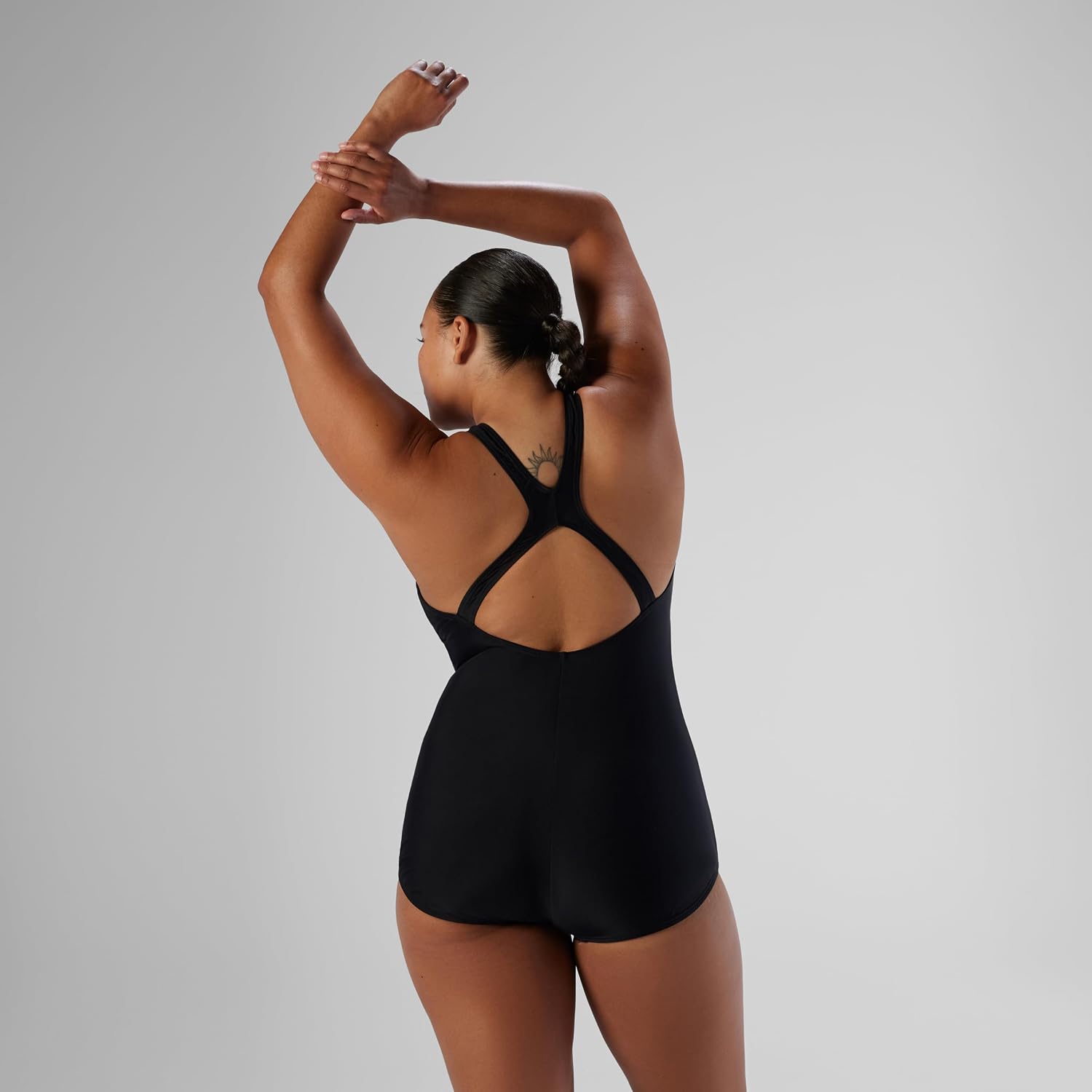
You’ve probably discovered the hard way that a swimsuit you loved at the beach turns into a stretched-out, faded shell after six weeks of lap swimming. That’s not bad luck — it’s chemistry. Pool water is treated with chlorine (a disinfectant that also aggressively breaks down elastic fibers), and most fashion swimwear simply isn’t built to survive it. Athletic lap-swimming suits are engineered differently: they use specialized fabric blends rated to hold their shape and color through hundreds of pool hours rather than a handful of beach days. For plus-size swimmers specifically — sizes 14 through 26W and beyond — the stakes are higher because you’re also asking the suit to manage real structural load: heavier bust weight across wider strap spans, a larger torso panel that needs to stay flat under water pressure, and hip-to-waist differentials that can create drag if the silhouette isn’t cut correctly. This guide consolidates published spec data, manufacturer documentation, and aggregated owner reviews so you can walk into a purchasing decision — or finalize one you’ve been circling — with a clear framework, not another browser full of conflicting tabs.
The bottom line up front: fabric grade and strap architecture are the two variables that separate a suit you’ll wear for two seasons from one that dies in four months. Everything else — silhouette, color, price — sits downstream of those two decisions. Let’s work through them.
Fabric Grade: What Chlorine Resistance Actually Means in Spec Terms
“Chlorine resistant” is a marketing phrase. “Chlorine resistant at what concentration, for how many hours” is the engineering question. Here’s the breakdown that matters for a regular lap swimmer.
PBT (polybutylene terephthalate) blends are the workhouse fiber for athletic swimwear. Speedo’s Endurance+ fabric documentation rates their PBT-polyester construction for up to 200 hours of pool use before significant stretch-recovery degradation. That’s roughly two full swim seasons at four sessions per week. The tradeoff: PBT has less initial stretch than Lycra-forward fabrics, which means fit relies more on accurate sizing and seam construction and less on the fabric “giving” to accommodate a non-standard figure.
Xtra Life Lycra (a Lycra brand designation, not a generic term) is the fiber standard used in higher-end fashion-athletic crossover suits from brands like Miraclesuit and Magicsuit. Lycra’s own published fiber data rates Xtra Life Lycra blends for up to ten times longer stretch-recovery life than conventional elastane when exposed to chlorine, sunscreen, and saltwater simultaneously. For plus-size swimmers who alternate between the pool and open water, this matters. The tradeoff: Xtra Life Lycra blends are typically more expensive at the fabric-cost level, which moves downstream into retail price.
Carvico fabrics (an Italian mill brand) used in brands like Anita Active and specialty European athletic swimwear carry their own chlorine-resistance ratings, typically 100+ pool hours, with the added benefit of higher-denier construction — meaning the fabric itself is heavier and less prone to becoming sheer under water pressure. Glamour’s plus-size athletic swimwear guide identifies denier weight as an underrated factor specifically for full-bust and full-hip swimmers, where stretch under load can create transparency in lighter fabrics.
The decision rule on fabric:
- If you swim 3–5 days per week, PBT-polyester (Speedo Endurance+, TYR Durafast Elite) is the clear choice. TYR’s Durafast Elite spec sheet rates it at 300+ hours of chlorine resistance — the highest published number in consumer athletic swimwear as of mid-2026.
- If you alternate pool and beach and prioritize compression and sculpting alongside lap performance, Xtra Life Lycra blends justify their price premium.
- If transparency under stretch is a concern (common at sizes 20W and above where panel tension is higher), prioritize Carvico or similar high-denier constructions and check fabric weight in grams per square meter in spec documentation.
Strap Architecture: Where Full-Figure Suits Win or Lose
For a size 16 swimmer with a full bust, a standard athletic racerback creates a specific problem: all vertical load routes through a single strap junction at the center back, which is fine for a 32B but starts to create neck-and-shoulder fatigue for a 38DDD or 42F. This is a structural load distribution problem, not a comfort preference.
By the Numbers:
- Average bust weight at cup size D: approximately 0.9–1.1 lbs per side (per published anatomical reference data cited in Good Housekeeping’s swimwear care guides)
- Standard racerback strap width in athletic suits: 0.75–1 inch
- Wide-strap athletic designs (1.25–1.75 inch): found in Speedo’s Women’s Solid Endurance+ Ultraback, Anita Active’s Extreme Control line, and TYR’s Durafast Elite Cutoutfit
- Strap width directly affects pressure per square inch on the shoulder — wider straps at the same load = less fatigue over a 1-hour swim session
The strap architectures worth knowing by name:
Racerback / Ultraback: Maximum shoulder mobility for freestyle and butterfly. Works well for B–C cups at plus sizes; starts to feel under-supported for D+ without additional panel engineering. Wirecutter’s lap swimming swimsuit review (New York Times) specifically notes that racerback designs in extended sizes benefit from internal shelf bras with a defined underwire channel or rigid rib band.
Wide-strap U-back: Anita Active’s primary architecture for their plus-size athletic line. Keeps straps over the outer shoulder rather than angling to center, which distributes load more laterally. Owners consistently report less shoulder groove and better sustained comfort on longer swims in Anita’s Active Momentum and Extreme Control styles.
Figure-eight / crossback: Found in some Speedo Endurance+ plus styles. The crossing geometry creates a self-tightening effect under forward-motion load, meaning the suit actually holds better at speed. Reviewed positively on Self.com’s lap swimming guide specifically for swimmers who report suits shifting during flip turns.
Adjustable straps in athletic suits: Rare in true performance athletic designs because hardware (rings, sliders) creates drag and corrosion points in chlorinated water. Brands that do offer them — certain Swimsuits For All athletic styles — tend to use coated hardware rated for repeated chlorine exposure. Check product specs for “anti-corrosion hardware” or “resin sliders” if adjustability matters to you; standard metal sliders will pit and weaken within one season.
The decision rule on straps:
- Cup size D and below at plus sizes: standard ultraback or racerback with internal shelf bra is adequate if the fabric grade is right.
- Cup size DD–F at sizes 14–22: wide U-back or figure-eight architecture with a firm rib band (not just elastic hem) is the meaningful upgrade.
- Cup size G and above, or any size where you’ve had shoulder groove or neck fatigue in lap suits before: Anita Active Extreme Control or similar purpose-built large-bust athletic construction is the category to shop, not general athletic.
Silhouette Engineering for Full-Hip-to-Waist Differential
Most athletic one-pieces are cut for a roughly cylindrical torso — efficient for production, terrible for a swimmer with a 14-inch or greater hip-to-waist differential. The practical result: the suit rides up at the leg, creates drag, or gaps at the hip panel during kick cycles.
What to look for in spec and sizing documentation:
Torso length options: Brands including Lands’ End, Speedo (in their Endurance+ extended range), and Swimsuits For All offer long-torso and short-torso cuts in their athletic lines. This is the single most underpurchased feature in plus-size athletic swimwear. A suit cut 1.5 inches too short in the torso will gap at the crotch under extension — not a fit preference, a functional failure that creates drag and discomfort on every stroke.
Leg cut: A higher-cut leg reduces drag-causing fabric at the hip but requires a suit engineered for hip-to-waist differential, otherwise it gaps laterally. A lower, more modest leg cut (common in Lands’ End and Aqua Sphere athletic styles) forgives hip differential better but adds slight drag. For competitive lap swimming, the tradeoff usually favors modest leg cut for full-hip swimmers unless the suit is specifically engineered with a curved hip seam (look for “athletic hip cut” or “anatomical leg opening” in product copy).
Panel count in the torso: A two-panel front (single center seam) offers less shape customization than a four-panel or six-panel front. Six-panel construction — common in Miraclesuit’s athletic crossover styles and Gottex’s sport line — creates a torso that follows the body’s contours rather than mapping a flat template onto a curved figure. Owners of six-panel designs at sizes 18W+ consistently report better hip containment and less bunching at the waist across aggregated reviews on specialty swim retailer sites.
Price, Value, and the Real Cost of Getting This Wrong
Here’s the math that actually matters for a regular lap swimmer.
A $48 fashion one-piece in a standard elastane blend that degrades in 40 pool hours costs roughly $1.20 per hour of usable life. A $90 TYR Durafast Elite in an extended size, rated to 300+ hours, costs $0.30 per hour of usable life. The premium suit costs roughly 88% less per pool session over its functional lifespan.
This math is cited in Wirecutter’s swimwear analysis framework and holds consistently when applied to plus-size athletic options: the $65–$130 mid-range from brands with genuine chlorine-resistance ratings (Speedo Endurance+, TYR Durafast Elite, Lands’ End’s Chlorine-Resistant line) outperforms the $35–$55 fashion-athletic category on a cost-per-use basis for any swimmer doing more than two sessions per week.
The premium tier ($140–$200, Anita Active, Gottex Sport, Aqua Sphere women’s) earns its price specifically on strap architecture and extended-size torso engineering — not on marginal gains in chlorine resistance. If your primary pain point is shoulder fatigue, bust support, or torso fit rather than fabric longevity alone, that’s where the premium pays off.
If-then decision framework:
- If you swim 4+ days per week in chlorinated pools → PBT-polyester (TYR Durafast Elite or Speedo Endurance+) in your confirmed torso length. Don’t compromise on fabric grade.
- If you’re a size 18W+ with D+ cup and have experienced shoulder fatigue or strap dig → Anita Active Extreme Control or comparable wide U-back construction is a medical-grade quality-of-life upgrade.
- If you alternate pool and open water → Xtra Life Lycra blend in a crossback silhouette handles both environments; accept the moderate chlorine-resistance tradeoff.
- If you’re still unsure about torso length → order from Lands’ End or Swimsuits For All, both of which offer generous return windows and no sanitary-liner hassle policies per their published return policies as of spring 2026. Confirm the torso dimension before committing to a brand that doesn’t take returns on swimwear.
The suits that disappoint lap swimmers at plus sizes almost always fail on one of three identifiable variables: wrong fabric grade for pool frequency, inadequate strap load distribution for bust size, or a torso length that doesn’t match the swimmer’s actual measurement. All three are resolvable with spec-level shopping. You now have the framework to do it.