May 6, 2026 • Adaeze Okonkwo • 10 min reading time • Prices verified June 18, 2026
Plus-Size One-Shoulder and Asymmetric Swimsuits: Style Engineering That Actually Flatters Curves
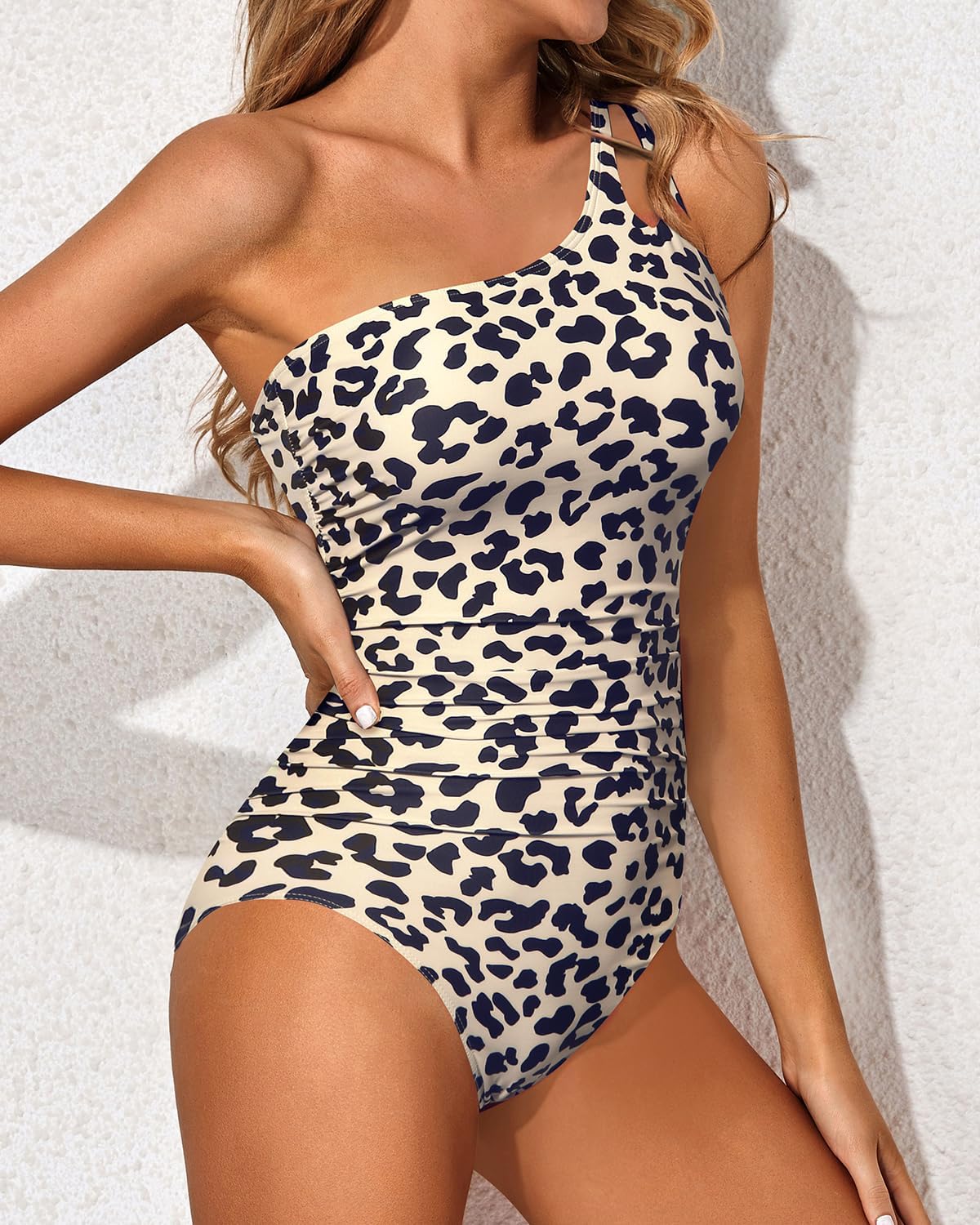
You’ve found a swimsuit silhouette that looks genuinely interesting — a one-shoulder neckline, or maybe a diagonal cutout across the torso — and now you’re trying to figure out whether it’s a style that will actually work for your body, or just look great on a size-6 model and disappoint you at the pool. Fair concern. Asymmetric swimsuits (suits where the neckline, straps, or fabric panels are intentionally uneven — one side higher, one side bare, diagonals cutting across the torso) have real engineering implications for full-figure bodies, and the answers aren’t always obvious from a product listing. This guide organizes everything you need to make a confident decision: which construction details signal a suit built to hold up, which reviewer patterns tell you a style is genuinely solving a fit problem, and where the tradeoffs live when you’re comparing options across the price range. We’ve read the specs, aggregated the owner feedback, and done the digging so you don’t have to open thirty browser tabs.
| EDITOR'S PICK[Blooming Jelly Women Plus Size](https://www.amazon.com/dp/B0GVXRTLDK?tag=greenflower20-20)… | Mid-tier[Holipick One Shoulder One Piece](https://www.amazon.com/dp/B0D7VJV122?tag=greenflower20-20)… | Budget pick[Charmo Plus Size Swimsuit for W](https://www.amazon.com/dp/B0DNJZB5SK?tag=greenflower20-20)… | |
|---|---|---|---|
| Size range | XX-Large Plus | Large | 1X |
| Pattern | Floral | Leopard | — |
| Design details | Criss cross | Keyhole | Ruched |
| Price | $40.99 | $36.99 | $27.99 |
| See on Amazon → | See on Amazon → | See on Amazon → |
Why Asymmetric Silhouettes Are Having a Moment — and Why They’re Actually Smart Engineering
The fashion explanation is simple: asymmetry draws the eye on a diagonal, which interrupts the horizontal read of the body and creates visual length. But the fit explanation is more interesting, and it’s the one worth understanding before you buy.
A standard two-strap swimsuit distributes bust weight symmetrically. That sounds like the safer choice, but it also means both straps must carry identical loads — which, on a larger bust, can create a uniform pressure band across the shoulders and a tendency for the suit to pull straight down at center-front. A well-engineered one-shoulder suit, by contrast, concentrates structural support in a wider, more complex strap on the supported side and uses the open side’s design element (ruching, a wide fabric band, a diagonal panel) to create a second, passive support layer without a traditional strap.
Per InStyle’s one-shoulder swimsuit shopping guide, the key variable is strap width on the structured side: a strap narrower than roughly two inches is essentially decorative and will dig into the shoulder on a D-cup or larger. Straps that widen into a true panel — sometimes called a “cold-shoulder” or “bandeau-hybrid” construction — distribute weight across a larger surface area and dramatically reduce dig-in.
That engineering distinction matters when you’re comparing, say, the Holipick one-shoulder keyhole one-piece against a simpler asymmetric bikini top. The Holipick’s consistently positive owner language — multiple reviewers independently describing it as “modest without looking matronly” and “chic, elevated feel” — suggests the suit is hitting an emotional target that goes beyond aesthetics. When that many buyers reach for the same vocabulary unprompted, it usually means the fit architecture is quietly doing something right: enough coverage that you don’t feel exposed, enough visual intentionality that you don’t feel like you’re hiding.
The Construction Details That Separate Pool-Ready from Poolside-Only
Not all asymmetric suits are built for actual swimming. Here’s the shortlist of what to look for — and what to avoid — when you’re evaluating specs and owner reports.
Bartack stitching at the strap-to-body junction. This is the single most important durability signal on any suit with an unusual strap configuration. Bartacking (dense, reinforced cross-stitching at high-stress points) prevents the strap attachment from tearing away from the cup or bodice under repeated lateral movement. On one-shoulder suits, the single strap carries the full dynamic load of swimming strokes; without bartacking at both the shoulder attachment and the underarm anchor point, that seam will fail faster. Good Housekeeping’s plus-size swimsuit roundup consistently flags this as a differentiator between suits built for lap swimming and suits built for Instagram.
Fabric blend and denier. Suits described only as “polyester/spandex” without fiber specifics are often lower-denier constructions that may lose shape faster in chlorine or saltwater. Look for mentions of Xtra Life Lycra (Invista’s chlorine-resistant elastane blend), PBT fiber content, or Italian mill sourcing (Carvico, Eurojersey) — these signal chlorine-resistance built into the yarn, not just a coating that wears off. The Blooming Jelly crisscross V-neck earns repeated “stayed vibrant through several washes” owner notes, which is a colorfast signal worth taking seriously — it suggests the dye process and fabric weight are holding up beyond the first few wears.
Ruching placement relative to the bust. Ruching (gathered, shirred fabric that creates soft pleating) is doing two jobs simultaneously: it visually redistributes texture across the midsection, and structurally it adds a second layer of fabric that can provide gentle compression. The critical variable is where the ruching starts. The SHAPELLX cutout ruched one-piece draws owner notes from a nursing reviewer who specifically mentions the suit “provides support without flattening” — and the construction detail that makes that possible is the cutout placement below the bust line combined with ruching above it. That geometry allows the upper panel to function almost like a built-in bralette, with the cutout releasing pressure at the underbust where nursing bodies are often most sensitive to constriction. That’s not an accident — it’s a deliberate seaming decision.
Leg opening and torso length. Long-torso fit is one of the most underreported issues in asymmetric suits, partly because most product listings don’t specify functional torso length (the measurement from shoulder to crotch seam). A suit that photographs beautifully on a standard torso can ride up relentlessly on a longer one. The Charmo scalloped ribbed suit earns specific praise from a self-identified long-torso reviewer who calls out the leg-opening scallop and overall length — which suggests the suit is running generous in functional torso length by design, or that the scalloped hem has enough give to accommodate length variation without creating a wedge effect.
By the Numbers
| Construction Signal | What It Tells You | Where to Look in Listings |
|---|---|---|
| Strap width ≥ 2 in. on supported side | Weight distribution, not decoration | Size chart notes or product images |
| Xtra Life Lycra / PBT / Carvico in fabric content | Chlorine/saltwater durability built in | Fabric composition field |
| Ruching above underbust, cutout below | Support without compression at underbust | Product description + photo geometry |
| Bartack mention or “reinforced seams” | Strap-to-body durability under movement | Construction details or brand Q&A |
Reading the Reviewer Signal: When “Confidence Language” Is a Fit Data Point
There’s a pattern in the owner feedback on asymmetric plus-size suits that’s worth naming explicitly: buyers repeatedly use emotional language — “empowering,” “confidence-boosting,” “made me feel cute,” “solicits glances and I smile” — that reads like style commentary but is actually a fit report in disguise.
When the Blooming Jelly crisscross V-neck earns “empowering” from multiple independent reviewers, that’s not just sentiment. It typically means the suit isn’t creating the constant micromanagement that a poorly fitting suit demands — no pulling the neckline up, no tugging the hip down, no re-tucking after every movement. Confidence language in swimwear reviews is usually code for “this suit stayed put and I stopped thinking about it.” That’s the real engineering win.
The Daci plus push-up one-piece reviewer who writes “solicits glances” and “I smile” is expressing something similar: the suit is doing work on her behalf, visually, without demanding constant adjustment. Per Glamour’s plus-size swimsuit guide, that “surprise” response — a suit looking more expensive and more polished than its price point would suggest — is most common when the fabric weight is higher than expected for the price tier and when the seaming creates visual structure rather than relying solely on print or color for impact.
Speaking of value surprises: multiple reviewers across these suits independently note they “look far more expensive” than they cost. That’s a reliable signal that the construction is punching above its weight class — typically through fabric opacity, seam finishing quality, or hardware detailing that reads as premium in person even if the price tag doesn’t.
Tradeoff Map: The “If X, Then Y” Decision Framework
If you know roughly what you’re optimizing for, these decision rules should narrow the field quickly.
If your primary concern is strap weight on a larger bust (D+ cup): Prioritize suits with a structured, wide strap on the supported side — not a spaghetti strap dressed up with a ruffle. The Holipick one-shoulder keyhole construction is designed with a strap that widens at the shoulder, which is why its owner reports skew positive for larger-bust reviewers. A one-shoulder suit with a narrow decorative strap at size 1X or 2X is a poolside-only proposition.
If you’re dealing with an apron belly and need tummy coverage without constriction: The cutout-plus-ruching combination (as in the SHAPELLX design) is your best construction bet — the cutout relieves pressure at the point where a flat panel would bind, while the ruching above provides coverage and some gentle smoothing. Avoid suits where the cutout sits at or above the natural waist; that placement maximizes exposure at the exact point most wearers want coverage.
If you’re a long torso: Seek out reviewer-confirmed torso generosity before buying. The Charmo scalloped ribbed suit has earned that confirmation in owner feedback. If a listing doesn’t specify functional torso length and has no reviewer commentary about fit length, size up or choose a suit with a scalloped or raw-edge hem that will give a half-inch of play.
If you want a suit that transitions from swimming to lounging: Fabric blend is the deciding factor. Suits with Xtra Life Lycra or PBT content will maintain their shape through actual water movement; pure polyester/spandex blends may stretch out after sustained swimming. Per Who What Wear’s one-shoulder swimsuit guide, suits designed explicitly as “active” or “sport” silhouettes typically also reinforce the strap channel differently — look for strap construction that lies flat against the skin rather than lifting or twisting when wet.
If you’re buying primarily for water aerobics: You need the combination of wide strap, reinforced bartacking, and chlorine-resistant fiber. Asymmetric suits are entirely appropriate for water aerobics — the “asymmetry = lounging only” assumption is a style myth, not a construction reality. The limiting factor is always strap architecture and seam integrity, not the silhouette itself.
Frequently Asked Questions
Will a one-shoulder swimsuit put too much strain on one side of a larger bust? It can — but only if the supported-side strap is too narrow. A strap that widens to 2.5–3 inches and anchors at both the shoulder and the underarm distributes load across a broad enough surface to be comfortable for D+ cups. InStyle’s one-shoulder guide flags single-point-anchor designs (strap only at the shoulder, no underarm band) as the construction most likely to dig in on fuller busts.
Can a cutout or keyhole one-piece provide enough tummy coverage for an apron belly? Yes, with the right cutout placement. Keyhole cutouts positioned at the upper chest (between the collarbone and bust) provide visual interest without reducing abdominal coverage at all. Underbust cutouts relieve compression without exposing the midsection. The suits to avoid for tummy coverage are those with cutouts at or above the natural waist on the front panel.
Does ruching actually smooth a large midsection or just add bulk? Ruching done in a medium-weight fabric (not a thin jersey) genuinely redistributes the visual texture of the midsection by breaking up the flat surface read. It doesn’t compress; it camouflages. On a very thin or slippery fabric, ruching can add visual bulk because the gathers don’t lie flat. Look for ruching on fabrics described as “textured,” “ribbed,” or “scuba-weight” for the best smoothing effect.
How do I know if a styled one-piece will hold up to actual swimming vs. poolside wear? Check the fabric content for chlorine-resistant fibers (Xtra Life Lycra, PBT), look for owner reports that specifically mention multiple wears or wash cycles without color or shape loss, and check whether the strap construction is described as reinforced or features hardware (rings, sliders) made of resin or coated metal rather than raw metal that will corrode.
Are asymmetric swimsuits appropriate for water aerobics or just lounging? Appropriate for water aerobics, provided the strap architecture is wide and anchored. The asymmetric silhouette itself creates no functional barrier to movement. The real question is always strap security and fabric recovery — and those variables exist in symmetric suits too.