April 20, 2026 • Adaeze Okonkwo • 8 min reading time • Prices verified June 18, 2026
Plus-Size Swim Rompers: The Modest Coverage Option That Actually Stays Put
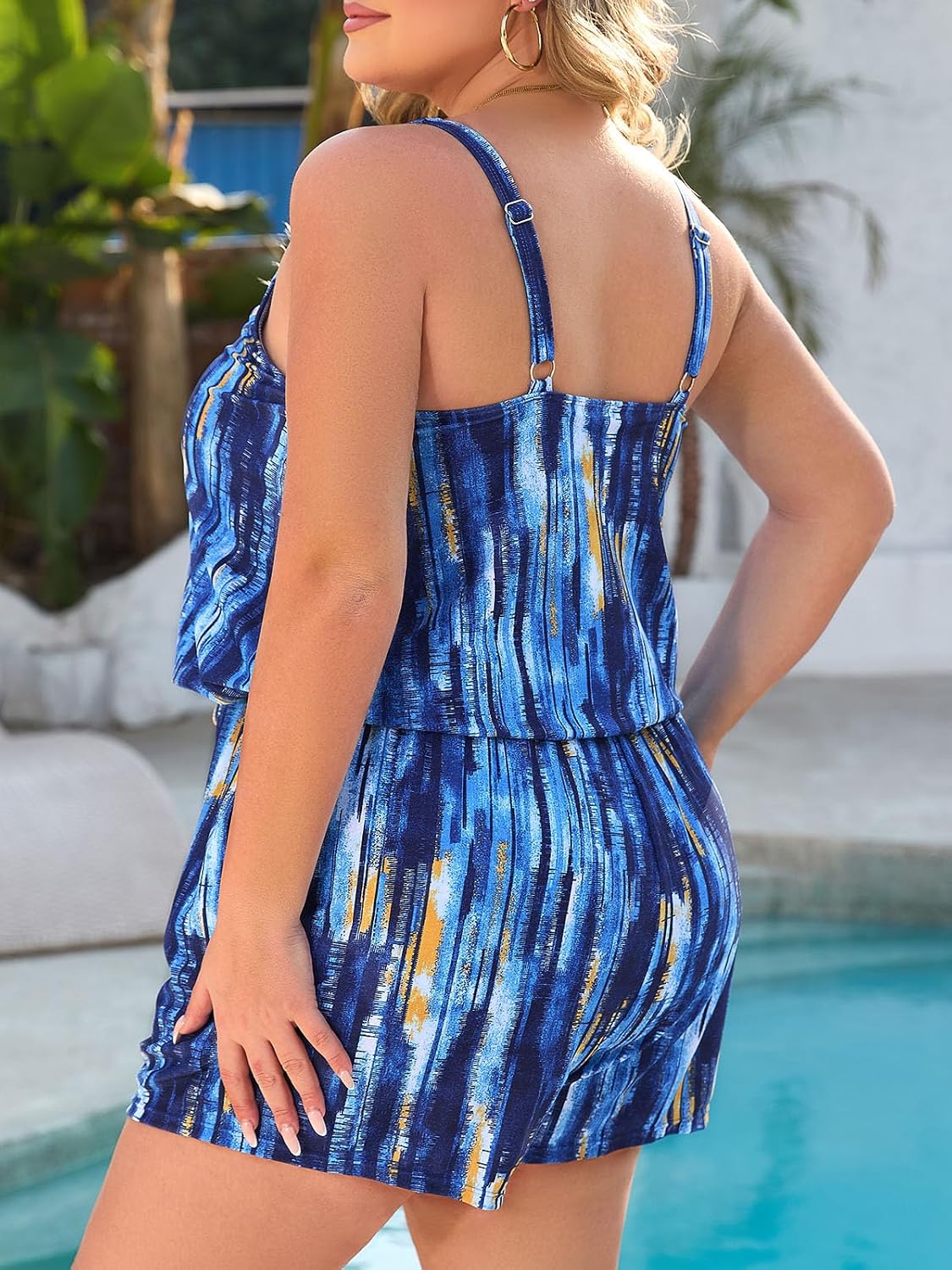
You’ve worn a one-piece that crept up your thighs by the time you hit the pool deck, or a bikini bottom that migrated south every time a wave hit. A swim romper — a one-piece swimsuit cut like a shorts-style romper, with built-in short legs instead of a traditional high-cut leg opening — solves both problems at once. The short-leg design (usually two to four inches of inseam) covers the upper thigh and sits below the hip crease, which means no wedging, no constant tugging, and genuine modest coverage that doesn’t require a coverup over your actual swimsuit. For full-figure and plus-size bodies, where hip-to-waist differentials are often 14 inches or more and a standard one-piece’s leg hole sits at exactly the wrong place on a fuller thigh, the swim romper category is worth a serious look.
This guide is the organized version of the 30 tabs you’d otherwise open. We’ve pulled together what published specs, fit guides, and aggregated owner reviews tell us about how swim rompers actually perform on sizes 12 through 26W and beyond — where they hold, where they fail, and which construction details separate a romper that stays put from one that bunches, rides, or bags out by noon.
Why the Swim Romper Solves a Specific Fit Problem
Standard one-pieces are engineered around a relatively narrow range of torso lengths and hip-to-thigh ratios. The leg opening — that high-cut arch — is designed for a body where the hip and thigh transition happens over a shorter vertical distance. On a fuller thigh, that arch lands mid-thigh instead of at the hip crease, which creates upward pull at the crotch and lateral pull at the seat. The result is the familiar “it fits in the store and fights me at the beach” experience.
The swim romper sidesteps this entirely by removing the leg arch. Instead of an opening that has to negotiate your thigh circumference, the garment has a short leg — essentially a built-in bike short — that lies flat against the body. There’s no elastic arc pulling upward. The hem sits at the lower thigh and stays there because it has a straight or slightly curved hem with no structural reason to migrate.
According to Refinery29’s roundup of modest swimwear options published in 2025, swim rompers have become one of the fastest-growing silhouettes in plus-size swimwear specifically because they address thigh coverage and waistband stability simultaneously — two pain points that traditional one-pieces and bikinis handle separately, if at all.
Who What Wear’s 2025 coverage of the swim romper trend noted that the silhouette works particularly well for women who want UV-protective coverage on the upper leg without adding a rash guard or boardshort layer — the integrated short leg handles both function and aesthetics in a single garment.
The Construction Details That Actually Determine “Stays Put”
Not all swim rompers are built the same way, and the gap between a $45 romper and a $130 one is mostly construction — not branding. Here’s what published spec sheets and owner reviews consistently flag as the deciding factors.
Inseam length and short-leg cut. A two-inch inseam sits at the very top of the thigh and can still ride up on fuller legs during active movement. Reviewers across aggregated feedback at Swimsuits For All consistently prefer a three-to-four-inch inseam for thigh stability. Look for rompers that specify inseam in the size chart rather than just saying “short leg” — that vagueness usually means the inseam wasn’t engineered as a functional spec.
Waistband construction. The waistband is the anchor of the whole silhouette. A bonded or flat-knit waistband (no exposed elastic) distributes compression evenly and resists rolling. A simple folded-over elastic band will roll at the softer parts of a fuller waist, creating the dreaded “muffin and gap” effect where the top of the romper folds outward. Lands’ End’s 2026 swimwear fit guide specifically recommends looking for silicone-gripper lining inside the waistband on plus-size styles — the silicone strip anchors the fabric against skin and is especially useful during water entry and exit.
Torso-length adjustability. A swim romper that’s too short in the torso pulls the seat upward; too long and it sags at the crotch. Look for adjustable straps — ideally with a rear slider or cross-back option — or a style offered in petite/regular/long torso variants. Swimsuits For All’s extended-size documentation (2025–2026) shows that their swim romper styles are offered in torso-length variants starting at size 16, which is the right call given that torso length variance increases significantly across plus-size ranges.
Fabric recovery. This is the spec that determines whether the romper looks the same at 4 PM as it did at 10 AM. Fabrics blended with Xtra Life Lycra (a registered Invista fiber known for chlorine and UV resistance) maintain their stretch-recovery ratio over repeated wetting and drying cycles. Cheaper polyester-spandex blends stretch out over the course of a day in the water. Good Housekeeping’s 2025 plus-size swimsuit guide flags fabric recovery as one of the top owner complaints in budget swim rompers — specifically, the short leg hem going loose and allowing the short to ride up, which defeats the entire purpose of the silhouette.
By the numbers — what to check before buying:
| Spec | Minimum for stability | Why it matters |
|---|---|---|
| Short-leg inseam | 3–4 inches | Less than 3” rides up on fuller thighs |
| Waistband type | Flat-knit or bonded | Folded elastic rolls at soft-tissue points |
| Fiber content | Polyester + Xtra Life Lycra or PBT blend | Maintains recovery in salt and chlorine |
| Torso length options | At least 2 variants (regular + long) | Prevents upward seat pull on taller torsos |
Price-Tier Comparison: Where the Money Goes
$35–$65 (ASOS Curve, Amazon extended-size labels, budget department stores) At this tier, the silhouette is right but the engineering shortcuts are real. Owner reviews across aggregated feedback consistently flag: elastic waistbands that roll after one season, inseams listed as “short” without a measurement, and fabric that bagged at the seat after repeated saltwater exposure. This tier is workable for occasional use — a vacation, a few pool days — but not for regular swimmers or anyone doing water sports. The tradeoff is straightforward: you’re buying the shape, not the structure.
$65–$130 (Swimsuits For All, Lands’ End, Eloquii) This is the sweet spot for most buyers in the 14W–26W range. At this tier, published specs get specific: Lands’ End lists inseam measurements in their size guides; Swimsuits For All offers torso-length options on their romper styles. Fabric blends are typically better documented, and you start seeing flat-knit waistbands rather than raw elastic. According to Lands’ End’s 2026 fit documentation, their swim romper styles in extended sizes use their “Tugless” tank liner technology inside the bodice — a bonded interior layer that prevents the front panel from shifting during movement. Owner reviews at this tier consistently report fewer mid-day adjustments and better seat retention through extended water activity.
$130–$220+ (Miraclesuit, Magicsuit, Gottex extended-size lines) At the premium tier, swim rompers incorporate the full toolkit: sculpting panels in the torso, underwire support options in the bust, and fabric grades like Carvico Vita (an Italian PBT-blend known for high UV protection and structural recovery). The engineering is specifically aimed at the bust-to-hip ratio problem: seaming patterns that allow the upper bodice to fit a larger cup size without distorting the waistband placement. If you’re a 38DDD with a 48-inch hip shopping a size 20W, this is the tier where the garment was actually patterned for your proportions rather than scaled up from a size 8. The price is real, but so is the difference in all-day wearability.
Decision Rules: Which Tier Is Right for Your Situation
The honest decision framework here is use-frequency and body geometry.
If you swim fewer than 10 times a year and your hip-to-waist differential is under 12 inches: The $65–$100 mid-range tier delivers sufficient construction for your use case. Prioritize documented inseam length (3 inches minimum) and a flat-knit waistband. Skip the premium tier — the sculpting-panel investment won’t pay off at low wear frequency.
If you swim regularly (weekly or more), or you’re in saltwater and chlorine alternately: Fabric recovery matters enough to justify the $110–$130 upper mid-range. Look specifically for Xtra Life Lycra or PBT fiber content in the spec sheet. Chlorine degrades standard spandex within one season of regular use; the premium fibers are documented to last two to three seasons under the same conditions, per Lands’ End’s fabric care documentation.
If you have a 14-inch-plus bust-to-hip differential, wear a D cup or larger, or have had persistent waistband-rolling problems across multiple brands: Go premium. The $150–$220 tier is where the pattern-making actually accounts for these proportions. Miraclesuit and Magicsuit in particular have earned consistent long-run praise from reviewers at Good Housekeeping and Who What Wear for addressing exactly this geometry. The cost is real, but so is the math: one romper that fits and stays put beats three that don’t.
If modest coverage for religious or personal reasons is the primary driver (not just preference): Look specifically for styles with a four-inch-plus inseam and a non-transparent fabric — some romper styles in lighter colorways become translucent when wet, which owners in aggregated reviews flag as a significant frustration. Stick with darker solids or structured prints in fabrics with a higher denier count; the product page should specify opacity or UPF rating, which correlates with fabric density and translucency resistance.
The swim romper silhouette has genuine engineering logic behind it for full-figure bodies. The category has matured enough that the spec details are available if you know what to ask for — inseam length, waistband construction, fiber content, and torso-length options. Pull those four data points on any romper you’re considering, and the decision gets a lot cleaner.